PONTIANAK CITY
The Equator City of Borneo
Discover Life on the Equator
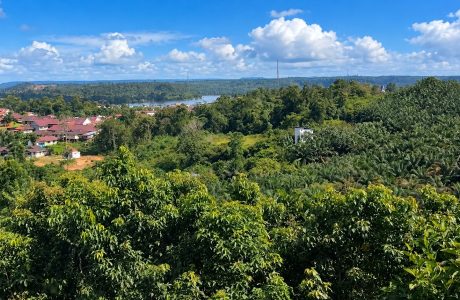
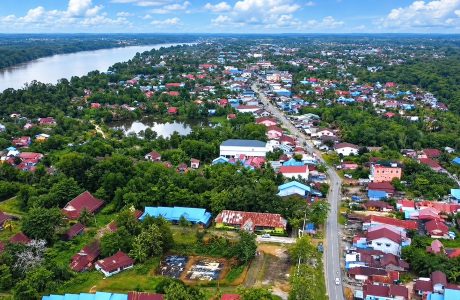
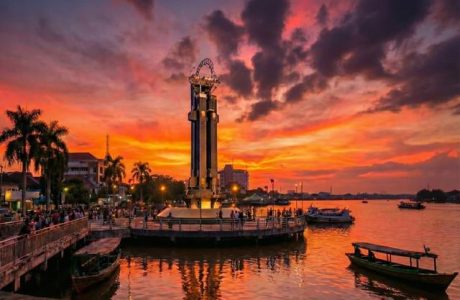
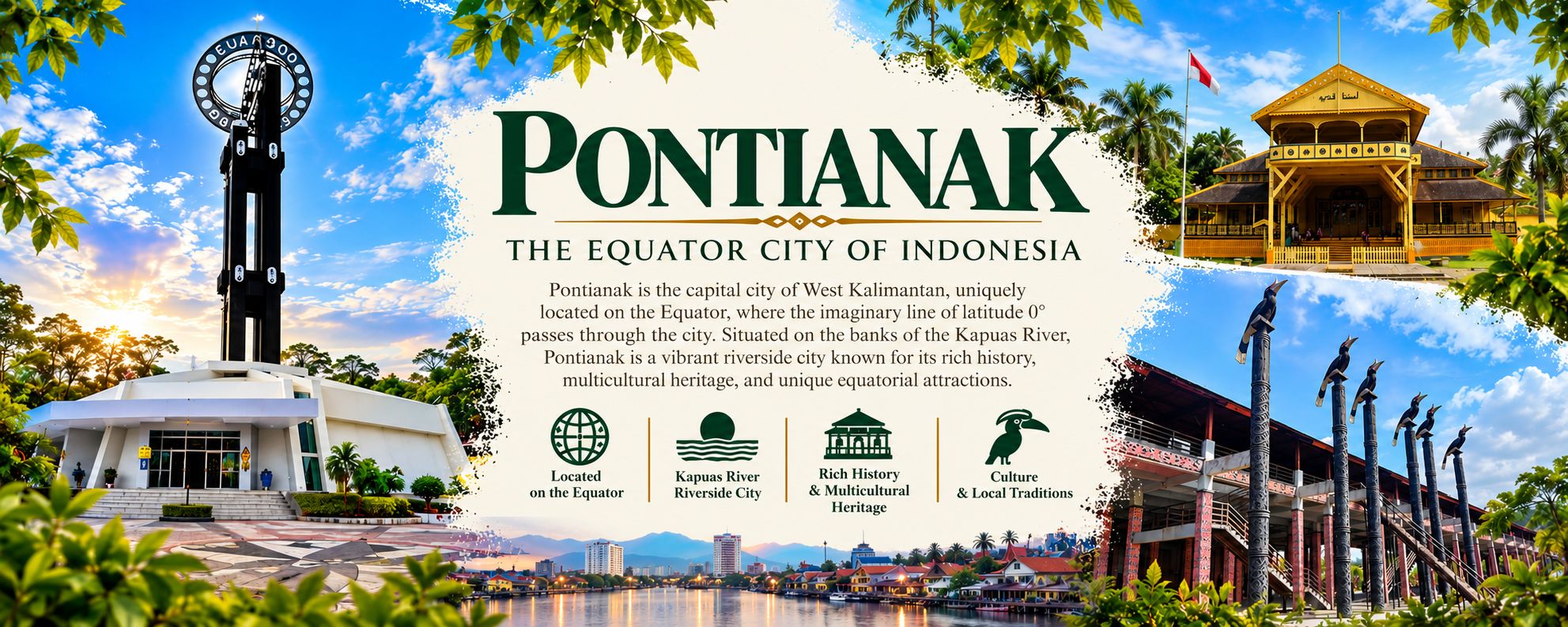
Pontianak is the capital of West Kalimantan, located on the island of Borneo along the banks of the Kapuas River, Indonesia’s longest river. Known as the Equator City, Pontianak is famous for the Equator Monument, which marks the location of the equator.
The city offers a fascinating blend of river life, Malay heritage, Chinese culture, historic landmarks, and local culinary traditions. From exploring the lively waterfront to visiting traditional palaces and cultural sites, Pontianak provides an inviting introduction to the people and heritage of West Kalimantan.
Interest places :
1. Kampung Beting
Discover Pontianak’s Traditional Riverside Life.
Explore the Waterways of Pontianak
3. Pasar Kapuas Indah
Experience the Local Market Scene
4. Taman Digulis
A Green Escape in the City


SINGKAWANG CITY
The City of a Thousand Temples
Where Cultures Meet in Harmony
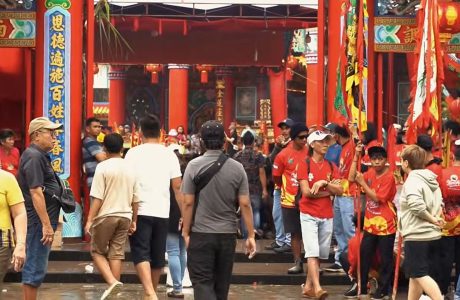
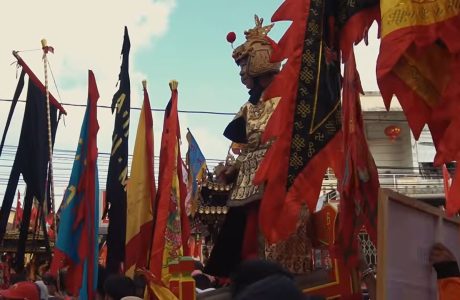
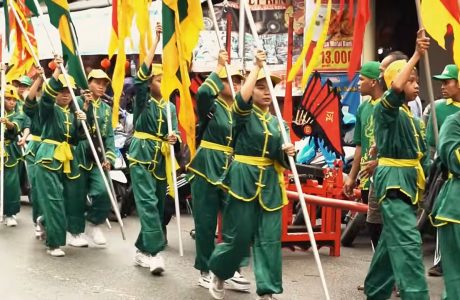
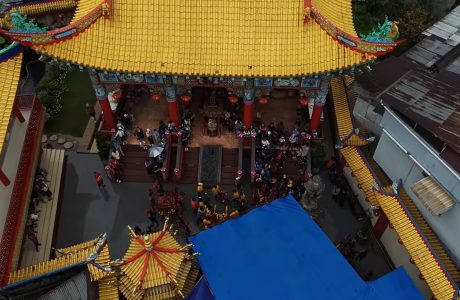
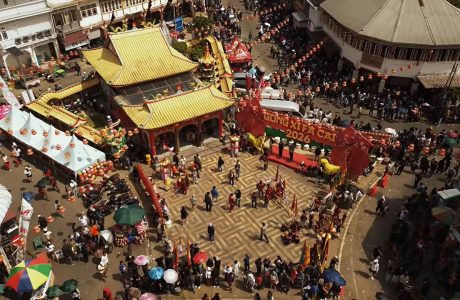
Singkawang is a vibrant city in West Kalimantan, renowned for its rich cultural diversity, distinctive Chinese heritage, and harmonious blend of Malay, Dayak, and Chinese traditions. Often known as the City of a Thousand Temples, Singkawang features numerous temples, traditional architecture, and cultural landmarks that reflect its unique history.
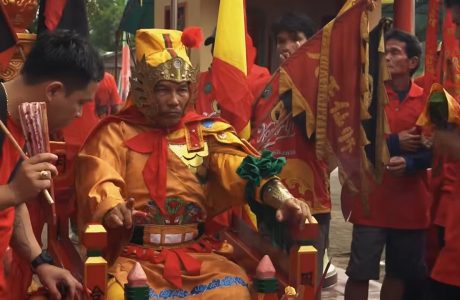
The city is especially famous for its Cap Go Meh celebrations, which attract visitors with colourful festivities, cultural performances, and distinctive traditions. Beyond its cultural attractions, Singkawang also offers beautiful beaches, coastal scenery, and surrounding hills for travellers to explore.
With its fascinating heritage, lively festivals, and welcoming atmosphere, Singkawang offers a memorable cultural experience in the heart of West Kalimantan.
Cultural Heritage • Festivals & Events • City & Towns • Marine & Coastal Landscapes


MEMPAWAH REGENCY
Discover Royal Heritage & Coastal Traditions
Mempawah Regency is a destination in West Kalimantan where royal history, Malay cultural traditions, and coastal life come together. Located along the western coast of Borneo, Mempawah offers visitors a glimpse into the region’s historical heritage, traditional communities, and natural landscapes.
The regency is closely associated with the history of the Mempawah Sultanate, reflected in its royal heritage and cultural landmarks. Beyond its historical attractions, Mempawah is also known for its coastal environment, mangrove ecosystems, and local culinary traditions, including pengkang, a traditional glutinous rice snack wrapped in banana leaves and grilled.
From exploring historical sites and discovering local culture to enjoying coastal scenery and traditional food, Mempawah offers travellers an opportunity to experience another side of West Kalimantan.
Mempawah is a place to discover the stories, traditions, and coastal landscapes that shape the cultural identity of Borneo.


SAMBAS
Royal Heritage & Coastal Frontiers
Sambas is a diverse destination in West Kalimantan, where royal heritage, Malay traditions, and coastal landscapes come together. Once the centre of the Sambas Sultanate, the region preserves a rich cultural history reflected in its royal landmarks, traditional customs, and local way of life.
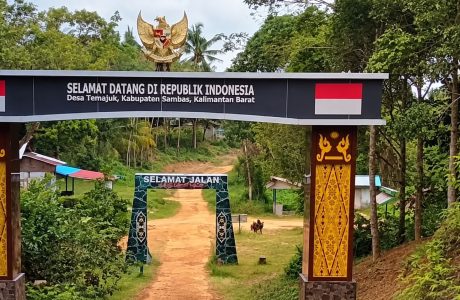
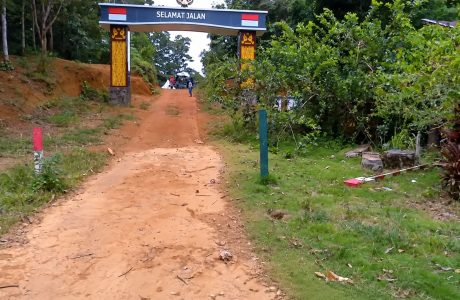
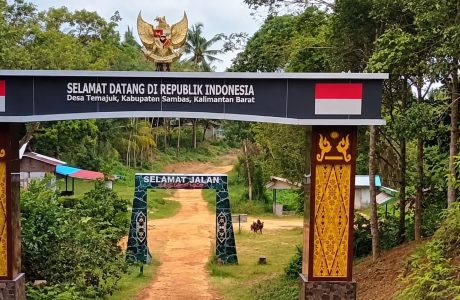
Beyond its historical heritage, Sambas extends to the northern coast of West Kalimantan, where Desa Temajuk lies near the border with Sarawak, Malaysia. This coastal village offers a different side of Sambas, with scenic beaches, forested surroundings, and a glimpse into life in a border community.
From exploring the legacy of the Sambas Sultanate to discovering the coastal beauty of Temajuk, Sambas invites travellers to experience the cultural and natural diversity of northern Borneo.


BENGKAYANG REGENCY
Borderlands, Highland Landscapes & Dayak Heritage
Bengkayang Regency is a diverse destination in West Kalimantan, known for its scenic hills, natural attractions, Dayak cultural heritage, and border communities. Located near the Malaysian state of Sarawak, Bengkayang offers travellers a glimpse into the cultural and geographical connections between Indonesia and Malaysian Borneo.
In the Jagoi Babang district, the Indonesia–Malaysia border is marked by the Jagoi Babang State Border Crossing Post (PLBN Jagoi Babang). The area reflects the importance of cross-border connections, local trade, and everyday life in communities along the international frontier.
Beyond its borderlands, Bengkayang offers opportunities to explore rural landscapes, hills, waterfalls, and local cultural traditions. Together, these experiences reveal a distinctive side of West Kalimantan, where nature, heritage, and border life meet.


LANDAK REGENCY
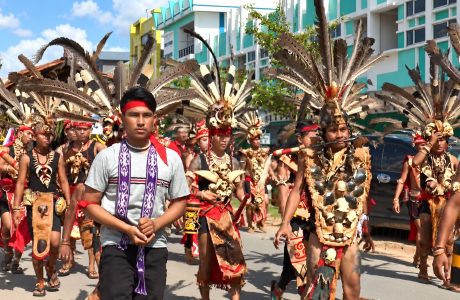
Discover Dayak Heritage & Hidden Natural Wonders
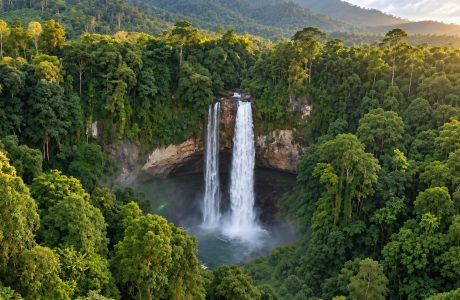
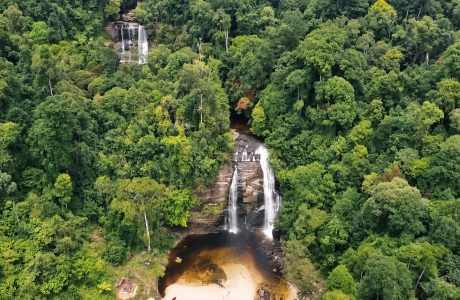
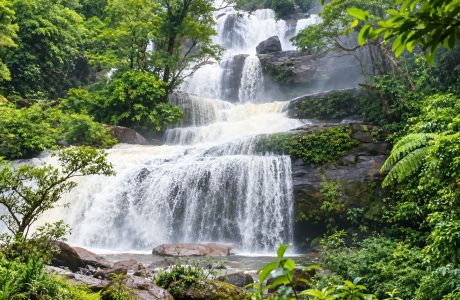
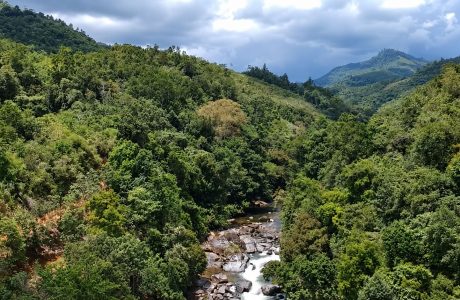
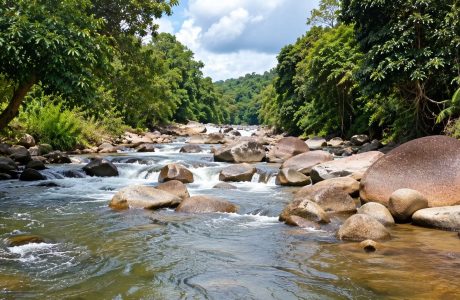
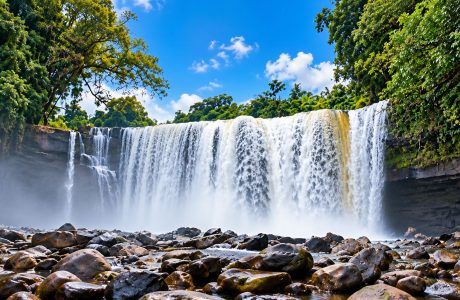
Landak Regency is a destination in West Kalimantan, offers a journey into the cultural traditions of Dayak communities and the natural beauty of Borneo. Its landscapes of forested hills, rivers, and waterfalls provide opportunities for travellers to explore a quieter and less-visited side of the island.
The region is closely connected to Dayak culture, where traditional customs, ancestral beliefs, and community life remain important parts of local identity. Visitors can also discover scenic natural attractions, including waterfalls and lush countryside, while learning about the traditions that shape the character of inland West Kalimantan.
For travellers seeking cultural encounters and nature-based experiences away from the main tourist routes, Landak offers a meaningful introduction to the heritage and landscapes of Borneo.
Discover the cultural roots and natural beauty of inland West Kalimantan.


SANGGAU REGENCY
Discover Dayak Heritage & The Heartland of West Kalimantan
Sanggau Regency lies in the interior of West Kalimantan, where the Kapuas River, forested landscapes, and traditional communities shape the character of the region. Its location along the river connects towns and villages while reflecting the importance of waterways in everyday life.
Sanggau is home to diverse cultural traditions, including those of Dayak and Malay communities. Visitors can discover local customs, traditional architecture, historical landmarks, and rural life while exploring the landscapes of inland Borneo.
The region also offers opportunities to experience river scenery, countryside, and the cultural heritage of communities that have maintained their traditions across generations. For travellers looking beyond West Kalimantan’s coastal destinations, Sanggau provides a glimpse into the cultural and natural richness of the island’s interior.
Experience the traditions, river landscapes, and everyday life of inland Borneo.


KAYONG UTARA REGENCY
Discover Tropical Islands & Marine Wonders
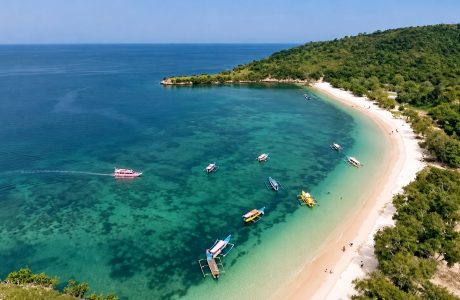
Kayong Utara Regency is a coastal destination in West Kalimantan, known for its tropical islands, marine landscapes, and rich biodiversity. Located along the western coast of Borneo, the regency offers a gateway to some of the province’s most remarkable natural environments.
One of its most notable attractions is the waters and islands around Karimata Strait, where coastal ecosystems, mangroves, and marine habitats support diverse wildlife. Kayong Utara is also home to the renowned Gunung Palung National Park, an important conservation area protecting a variety of rainforest ecosystems and wildlife, including Bornean orangutans.
From exploring island scenery and coastal communities to discovering rainforest biodiversity, Kayong Utara offers travellers an opportunity to experience the natural richness of West Kalimantan.
Discover the islands, coastlines, and wild landscapes of westhern Borneo.


KETAPANG REGENCY
Tagline: Discover Rainforest Wilderness & Coastal Heritage
Ketapang Regency is one of the largest regencies in West Kalimantan, offering a diverse landscape of tropical rainforests, winding rivers, coastal areas, and traditional communities. Its natural environment and cultural heritage provide a distinctive glimpse into the richness of western Borneo.
The region is home to the renowned Gunung Palung National Park, which extends across parts of Ketapang and neighbouring Kayong Utara. This protected area preserves valuable rainforest ecosystems and provides habitat for Bornean orangutans and many other wildlife species.
Beyond its rainforests, Ketapang offers opportunities to explore the Pawan River, coastal scenery, historical landmarks, and local traditions. From its natural landscapes to its cultural heritage, Ketapang invites travellers to discover another remarkable side of West Kalimantan.
Discover the rainforests, rivers, and cultural heritage of Ketapang, West Kalimantan.


MELAWI REGENCY
Discover Highland Rivers & Dayak Heritage
Melawi Regency lies in the interior of West Kalimantan, where rivers, forested hills, and traditional communities shape the landscape of inland Borneo. The region is known for its natural scenery and the cultural traditions of its Dayak and Malay communities.
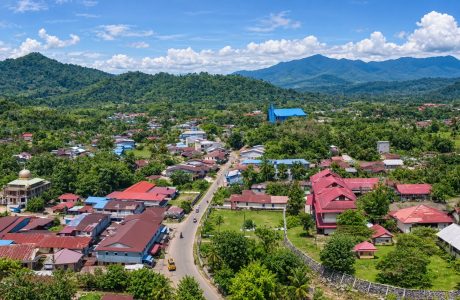
Nanga Pinoh, the regency capital, is an important centre of local life, situated near the meeting of the Melawi and Pinoh rivers. These waterways have long played a vital role in connecting settlements and supporting daily activities throughout the region.
Beyond its river landscapes, Melawi offers opportunities to discover rural villages, forested surroundings, and local cultural traditions. For travellers seeking to explore beyond West Kalimantan’s coastal destinations, Melawi reveals the quieter landscapes and cultural richness of the province’s interior.
Discover the rivers, forested landscapes, and living traditions of Melawi, West Kalimantan

SEKADAU REGENCY
Discover River Landscapes & Dayak Traditions
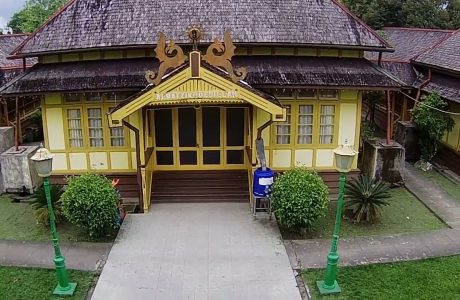
Sekadau Regency is an inland destination in West Kalimantan, where rivers, forested landscapes, and traditional communities reflect the natural and cultural richness of Borneo. The region is closely connected to the Kapuas River system, which has long supported transportation, trade, and everyday life.
Sekadau is home to Dayak and Malay communities, each contributing to the region’s diverse cultural heritage. Visitors can discover traditional customs, local architecture, village life, and cultural practices that continue to shape the identity of inland West Kalimantan.
The Sekadau River and surrounding countryside offer opportunities to appreciate the region’s river scenery and rural landscapes. For travellers interested in exploring beyond the province’s major cities, Sekadau provides a glimpse into the traditions and everyday life of communities in the heart of West Kalimantan.
Discover the rivers, countryside, and cultural heritage of Sekadau, West Kalimantan.


SINTANG • WEST KALIMANTAN
The Gateway to Inland Borneo
Where Rivers Lead to the Heart of Borneo.
Known as the City of a Thousand Small Rivers, Sintang is an important gateway to the interior of West Kalimantan. Located near the confluence of the Kapuas and Melawi rivers, the town is closely connected to the waterways that shape life across the region. Beyond its riverside landscapes, Sintang offers a glimpse into the rich cultural heritage of Dayak communities, traditional longhouses, and the natural beauty of Borneo’s forested interior. It is an ideal starting point for exploring the remote landscapes, river communities, and living traditions of inland West Kalimantan.


Putussibau • Gateway to the Heart of Borneo
Into the Wild Heart of Borneo
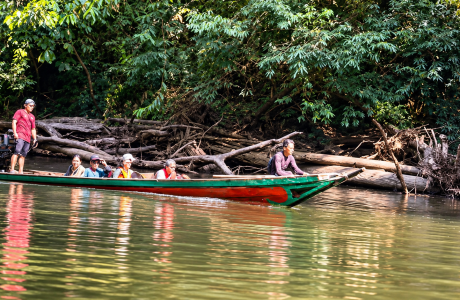
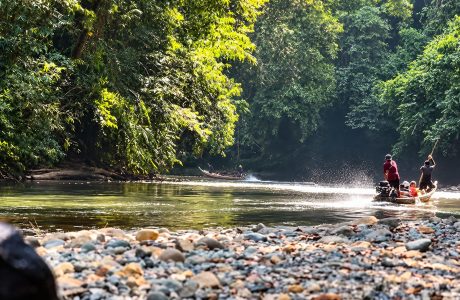
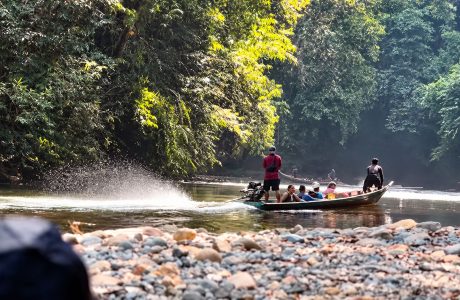
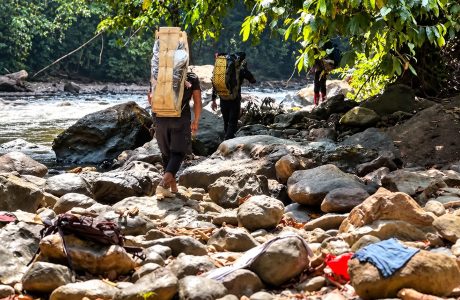
Putussibau, the capital of Kapuas Hulu Regency in West Kalimantan, is a gateway to the remote interior of Borneo, where vast rainforests, winding rivers, and rich indigenous cultures define the landscape. Located along the Kapuas River, the town provides access to the remarkable wilderness of Betung Kerihun National Park and Danau Sentarum National Park, two important destinations for rainforest exploration, wildlife encounters, and river adventures.
Beyond its natural beauty, Putussibau offers opportunities to discover the traditions and daily life of the Dayak communities, whose cultural heritage remains closely connected to the surrounding forests and rivers. For travellers seeking an authentic Borneo experience, Putussibau is a starting point for journeys into one of Kalimantan’s most remote and fascinating regions.


KAPUAS RIVER
Cruise Along Indonesia’s Longest River
Discover Life Along the Kapuas
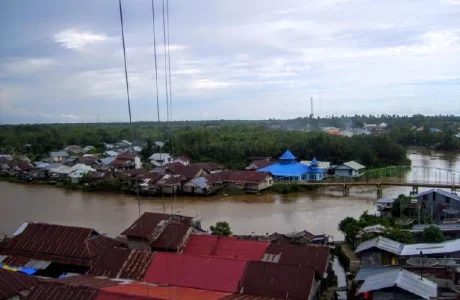
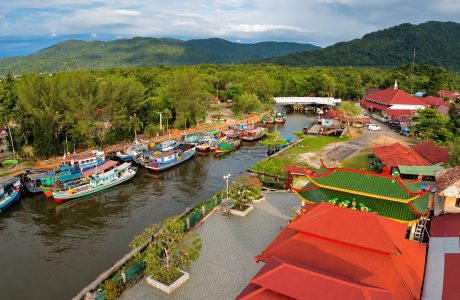
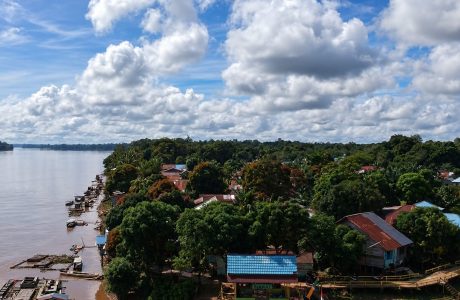
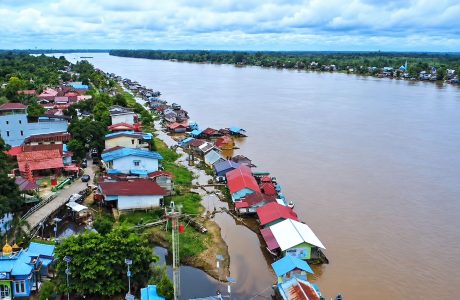
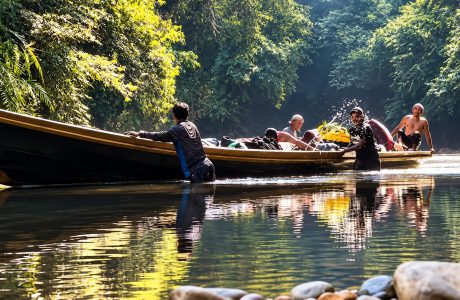
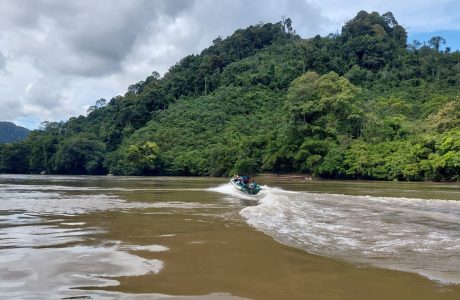
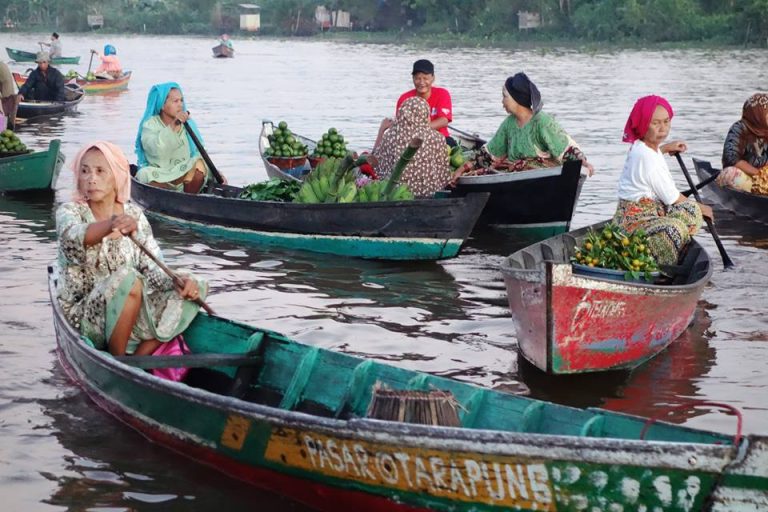
The Kapuas River is the longest river in Indonesia, flowing through the heart of West Kalimantan and serving as an important lifeline for riverside communities. For generations, the river has supported transportation, trade, fishing, and everyday life across the region.
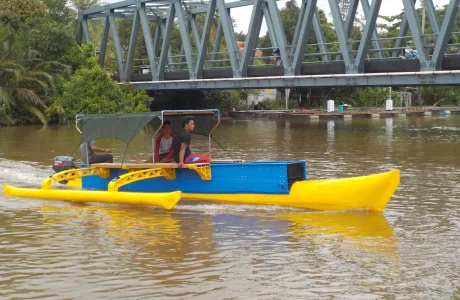
Along its banks, visitors can observe traditional riverside settlements, wooden houses, local boats, and the lively activities that reflect the close relationship between the people of West Kalimantan and the river.
Exploring the Kapuas River offers a glimpse into the region’s cultural heritage and river-based lifestyle, making it an essential experience for travellers discovering Pontianak and the wider landscapes of West Kalimantan.
Discover Life Along the Kapuas.

ALUN KAPUAS
Enjoy the Riverside Charm of Pontianak
Relax by the River, Experience Local Life
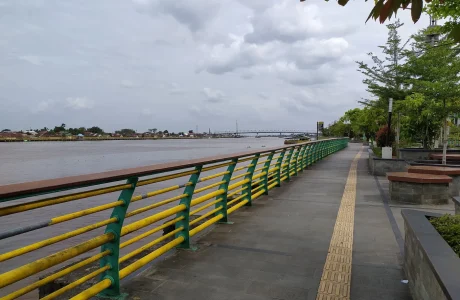
Alun Kapuas is a popular public waterfront in Pontianak, West Kalimantan, situated along the banks of the Kapuas River. As one of the city’s well-known gathering places, it offers visitors a chance to enjoy riverside scenery while experiencing the everyday atmosphere of local urban life.
The waterfront is a favourite spot for relaxing, taking photographs, and watching boats travel along the river. In the late afternoon and evening, the area becomes a lively place where residents and visitors gather to enjoy the river views and sample local snacks.
With its scenic setting and welcoming atmosphere, Alun Kapuas provides a pleasant way to experience the connection between Pontianak and Indonesia’s longest river.
Local Life & Culture

Danau Sentarum National Park – A Wetland Wonder of Borneo
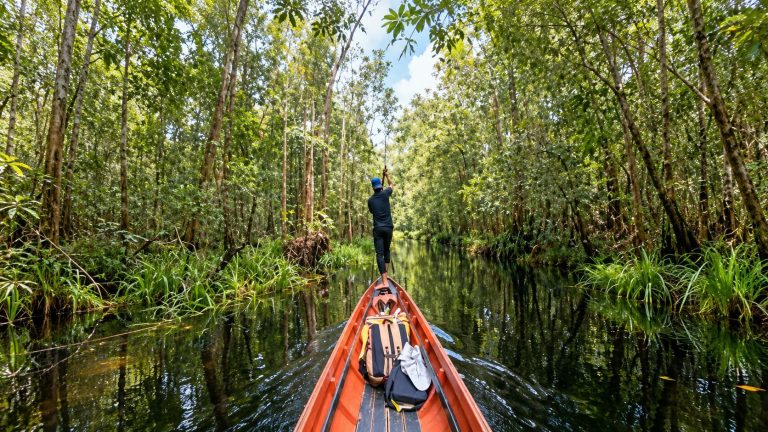
Located in Kapuas Hulu Regency, West Kalimantan, Danau Sentarum National Park is a remarkable wetland ecosystem known for its seasonal lakes, flooded forests, and winding waterways. During the rainy season, rising water transforms the landscape into a vast network of lakes, creating a unique habitat for diverse wildlife.
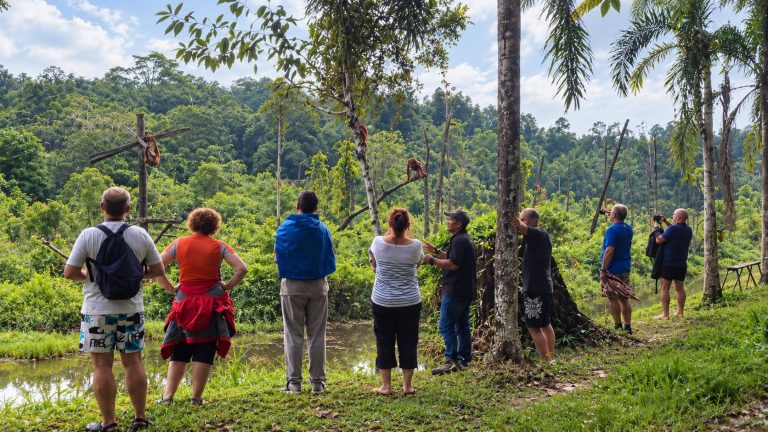
The park is home to rich biodiversity, including orangutans, proboscis monkeys, hornbills, and numerous freshwater fish species. Beyond its natural beauty, Danau Sentarum is closely connected to local communities whose traditional livelihoods depend on the wetlands.
For travellers seeking nature, wildlife, and authentic local culture, Danau Sentarum offers an unforgettable glimpse into the wild heart of Borneo.
EQUATOR MONUMENT
Stand on the Line of the Equator
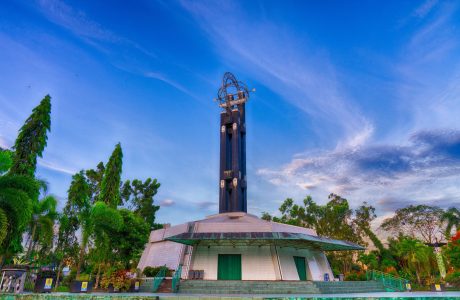
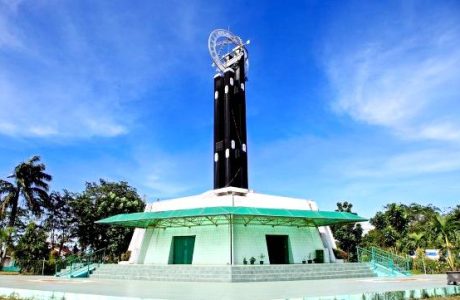
Located in Pontianak, West Kalimantan, the Equator Monument (Tugu Khatulistiwa) is one of the city’s most iconic landmarks. It marks the location of the equator, the imaginary line that divides the Earth into the Northern and Southern Hemispheres.
The monument was first established in 1928 and later underwent several developments to preserve its historical significance. Today, it attracts visitors who want to learn about the equator and experience standing at one of the world’s most remarkable geographical locations.
Visitors can explore the monument, discover its history, and learn about the science behind the Earth’s equatorial line. For many travellers, a visit to the Equator Monument is a memorable highlight of exploring Pontianak and West Kalimantan.
Historical Landmarks • Science & Education • Cultural Heritage


KADRIAH SULTANATE PALACE
Discover the Royal Heritage of Pontianak
Step into Pontianak’s Royal Past
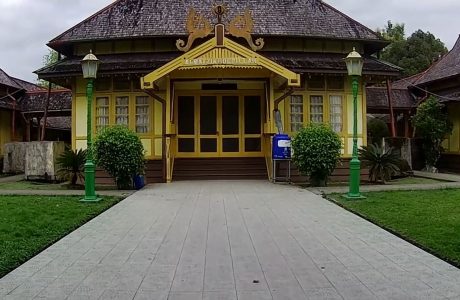
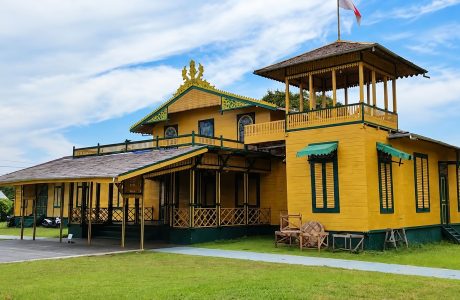
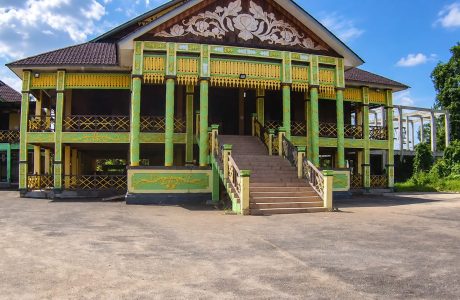
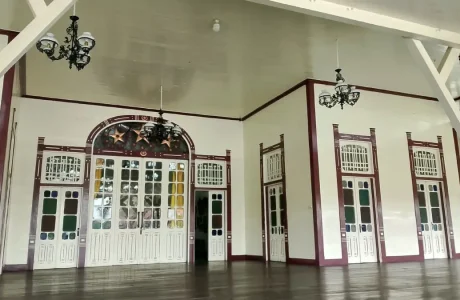
Kadriah Sultanate Palace (Keraton Kadriah) is one of Pontianak’s most important historical landmarks, preserving the royal heritage of the Pontianak Sultanate. Built in 1771 by Sultan Syarif Abdurrahman Alkadrie, the founder of Pontianak, the palace reflects the history and cultural traditions of the Malay Sultanate in West Kalimantan.
The palace features traditional Malay architectural elements, wooden structures, and historical objects that offer visitors a glimpse into the life of the royal family and the development of Pontianak. Its historic setting also reveals the important role of the sultanate in shaping the city’s identity.
A visit to Kadriah Sultanate Palace provides an opportunity to explore Pontianak’s royal past and discover the enduring cultural heritage of the Malay community.


SULTAN ABDURRAHMAN GRAND MOSQUE
A Legacy of Faith & Malay Heritage
Discover Pontianak’s Islamic Heritage
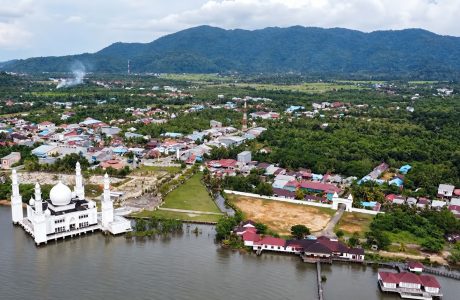
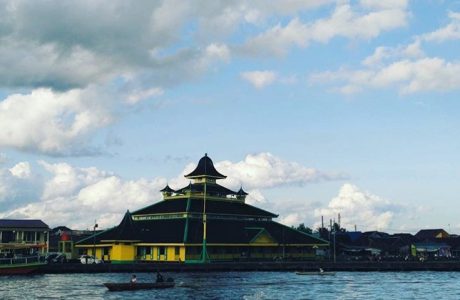
Sultan Abdurrahman Grand Mosque (Masjid Jami Sultan Abdurrahman) is one of the historic landmarks of Pontianak, West Kalimantan. Closely connected to the history of the Pontianak Sultanate, the mosque reflects the enduring Islamic traditions and Malay cultural heritage of the region.
The mosque is known for its traditional architecture, wooden structure, and distinctive multi-tiered roof. Located near the Kapuas River, it stands as a reminder of the important role that religion and river life have played in the development of Pontianak.
Visitors can appreciate its architectural character, discover its historical significance, and gain insight into the religious and cultural traditions that continue to shape the city’s identity.
Religious Heritage • Historical Landmarks • Malay Culture


RUMAH RADAKNG
Discover the Grandeur of Dayak Heritage
Experience the Living Heritage of Dayak Culture
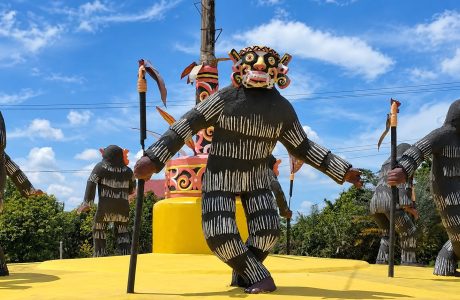
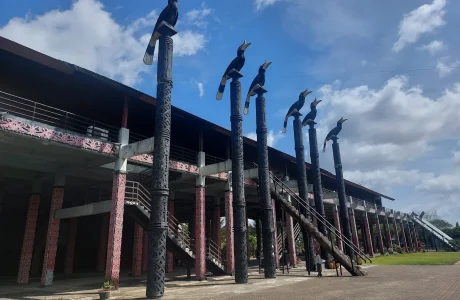
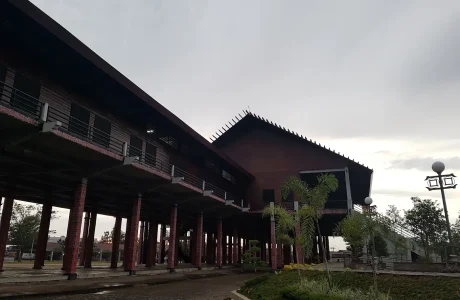
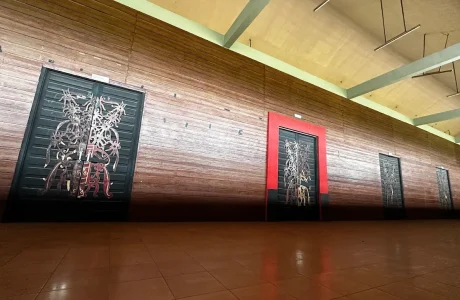
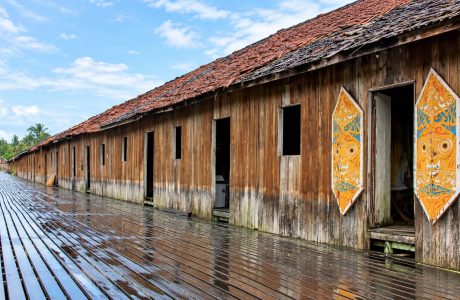
Rumah Radakng, located in Pontianak, West Kalimantan, is a traditional Dayak longhouse that represents the cultural identity and heritage of the Indigenous Dayak people of Borneo. Its impressive size, elevated wooden structure, and distinctive architectural features reflect the traditional way of life of Dayak communities.
Traditionally, longhouses served as communal living spaces where families lived together, shared daily activities, and maintained strong social bonds. Today, Rumah Radakng stands as an important cultural landmark, providing visitors with an opportunity to learn about Dayak traditions, architecture, and community values.
With its striking design and cultural significance, Rumah Radakng offers a meaningful introduction to the Indigenous heritage of West Kalimantan.
Indigenous Culture • Cultural Heritage • Traditional Architecture


WEST KALIMANTAN STATE MUSEUM
Explore the Cultural Treasures of West Kalimantan
Discover the Stories of West Kalimantan
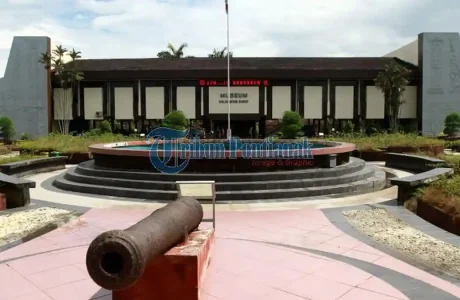
The West Kalimantan State Museum (Museum Negeri Kalimantan Barat) in Pontianak offers visitors an introduction to the region’s rich history, cultural diversity, and traditional heritage.
Its collections include archaeological finds, traditional objects, historical artefacts, and cultural displays associated with the diverse communities of West Kalimantan, including Dayak, Malay, and Chinese communities. These exhibits provide insights into local traditions, daily life, craftsmanship, and the historical development of the region.
For travellers interested in understanding the people and cultures of Borneo, the museum offers a valuable opportunity to discover the stories and heritage that have shaped West Kalimantan.
Cultural Heritage • History & Museums • Indigenous Culture

DIGULIS MONUMENT
Remembering the Heroes of West Kalimantan
Honouring the Spirit of Resistance
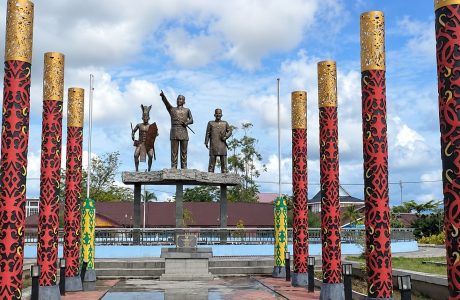
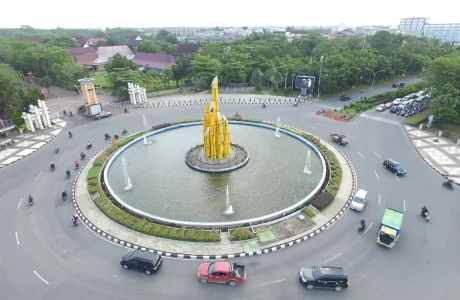
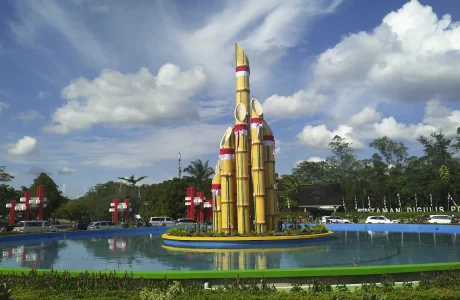
Digulis Monument (Tugu Digulis) is a historical landmark in Pontianak, West Kalimantan, commemorating twelve figures associated with the anti-colonial movement who were exiled by the Dutch colonial government to Boven Digoel in Papua.
The monument consists of twelve pillars representing these historical figures and serves as a reminder of their struggle and sacrifice during Indonesia’s fight against colonial rule.
Located near Tanjungpura University, the monument is an important historical symbol for the people of West Kalimantan. Visitors can learn about the region’s role in Indonesia’s national history while exploring one of Pontianak’s notable landmarks.
Historical Landmarks • Cultural Heritage • Indonesian History


TRI DHARMA BUMI RAYA TEMPLE
Discover the Spiritual Heritage of Singkawang
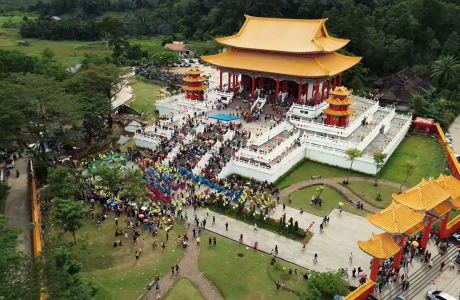
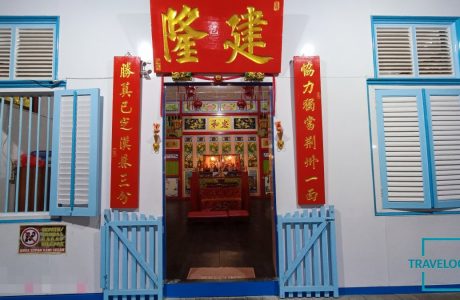
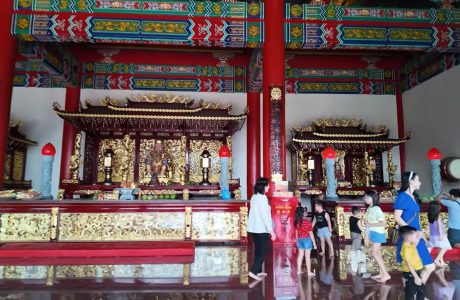
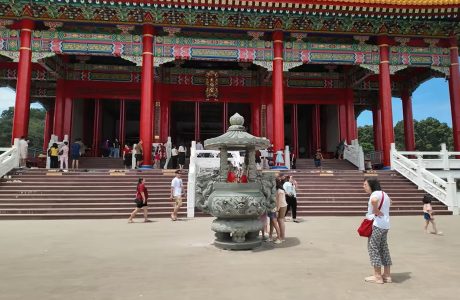
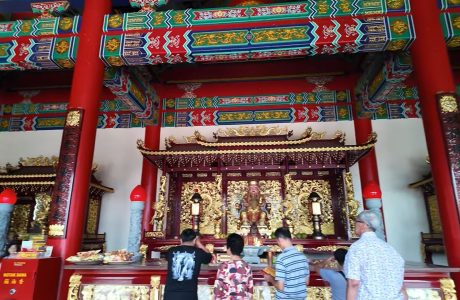
Tri Dharma Bumi Raya Temple (Vihara Tri Dharma Bumi Raya) is one of the most prominent Chinese temples in Singkawang, West Kalimantan. Located in the heart of the city, the temple reflects the longstanding Chinese cultural and religious traditions that have shaped Singkawang’s identity.
The temple is known for its traditional Chinese architectural details, decorative ornaments, and spiritual significance to the local community. It remains an important place of worship and a cultural landmark, particularly during major celebrations such as Chinese New Year and Cap Go Meh.
For visitors, the temple offers an opportunity to appreciate Singkawang’s religious heritage, architectural beauty, and the cultural diversity that makes the city distinctive.
Religious Heritage • Cultural Heritage • Historical Landmarks


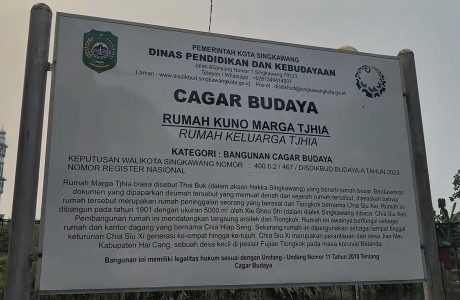
THJIA FAMILY HOUSE
Discover the Chinese Heritage of Singkawang
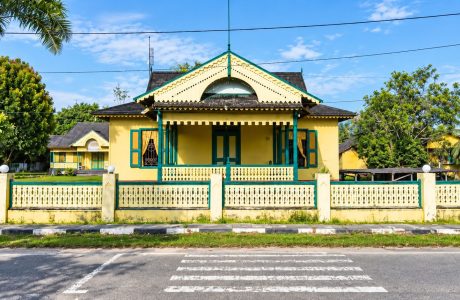
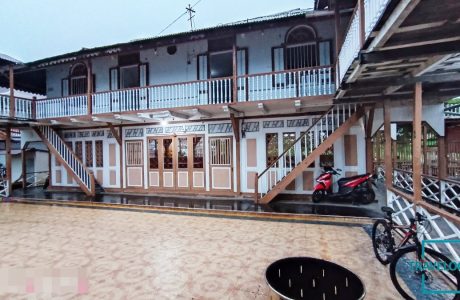
Thjia Family House is a historic family residence in Singkawang, West Kalimantan, reflecting the city’s longstanding Chinese heritage and cultural traditions. The house offers a glimpse into the history of the Thjia family and the role of Chinese communities in shaping Singkawang’s distinctive cultural identity.
Through its traditional architectural features and historical significance, the house provides an opportunity to learn about the family life, customs, and heritage of the Chinese community in Singkawang.
For visitors interested in history and cultural heritage, Thjia Family House offers a meaningful perspective on the traditions and multicultural character that make Singkawang a unique destination in West Kalimantan.


THAI PAK KUNG TEMPLE
Discover Singkawang’s Living Religious Heritage
Thai Pak Kung Temple is one of the Chinese temples associated with the cultural and religious heritage of Singkawang, West Kalimantan. The temple reflects the enduring traditions of the local Chinese community and the important role that places of worship play in preserving cultural identity.
With its traditional temple setting and spiritual atmosphere, Thai Pak Kung Temple offers visitors an opportunity to appreciate the religious practices and cultural traditions that form part of Singkawang’s diverse heritage.
For travellers exploring the city, a visit to the temple can provide a deeper understanding of the Chinese cultural influences that have helped shape Singkawang into one of West Kalimantan’s distinctive cultural destinations.


CAP GO MEH FESTIVAL
A Spectacular Celebration of Chinese Heritage & Tradition
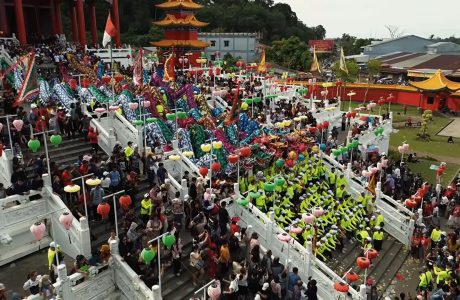
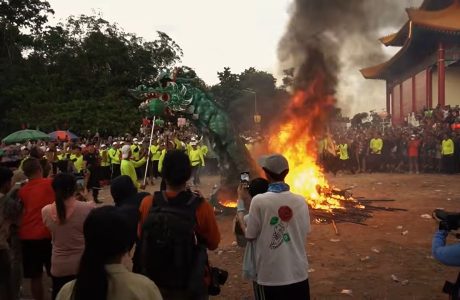
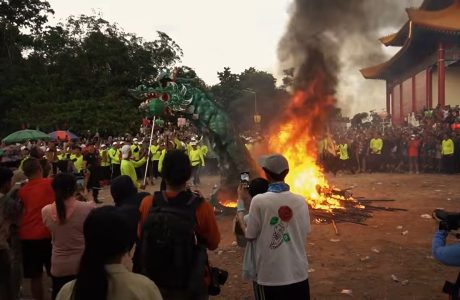
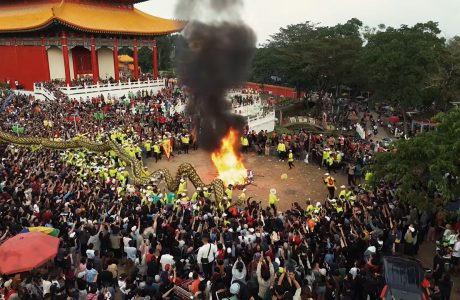
Singkawang’s Cap Go Meh Festival is one of the city’s most celebrated cultural events, held on the fifteenth day of the Lunar New Year. The festival reflects the rich Chinese heritage of Singkawang and brings together communities through vibrant celebrations, traditional performances, and colourful street processions.
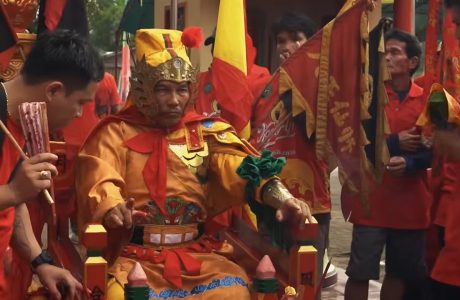
One of the festival’s most distinctive features is the Tatung procession, in which participants believed to be in a spiritual trance perform extraordinary rituals as part of local Chinese religious traditions. These processions attract visitors from across Indonesia and beyond, creating a remarkable atmosphere of devotion, cultural expression, and community celebration.
Beyond its spectacular performances, Cap Go Meh represents Singkawang’s multicultural identity, where Chinese, Dayak, and Malay traditions coexist and contribute to the city’s unique cultural character.
For travellers seeking an unforgettable cultural experience in West Kalimantan, the Cap Go Meh Festival offers a fascinating opportunity to witness living traditions, experience the festive atmosphere, and discover the cultural diversity of Singkawang.