
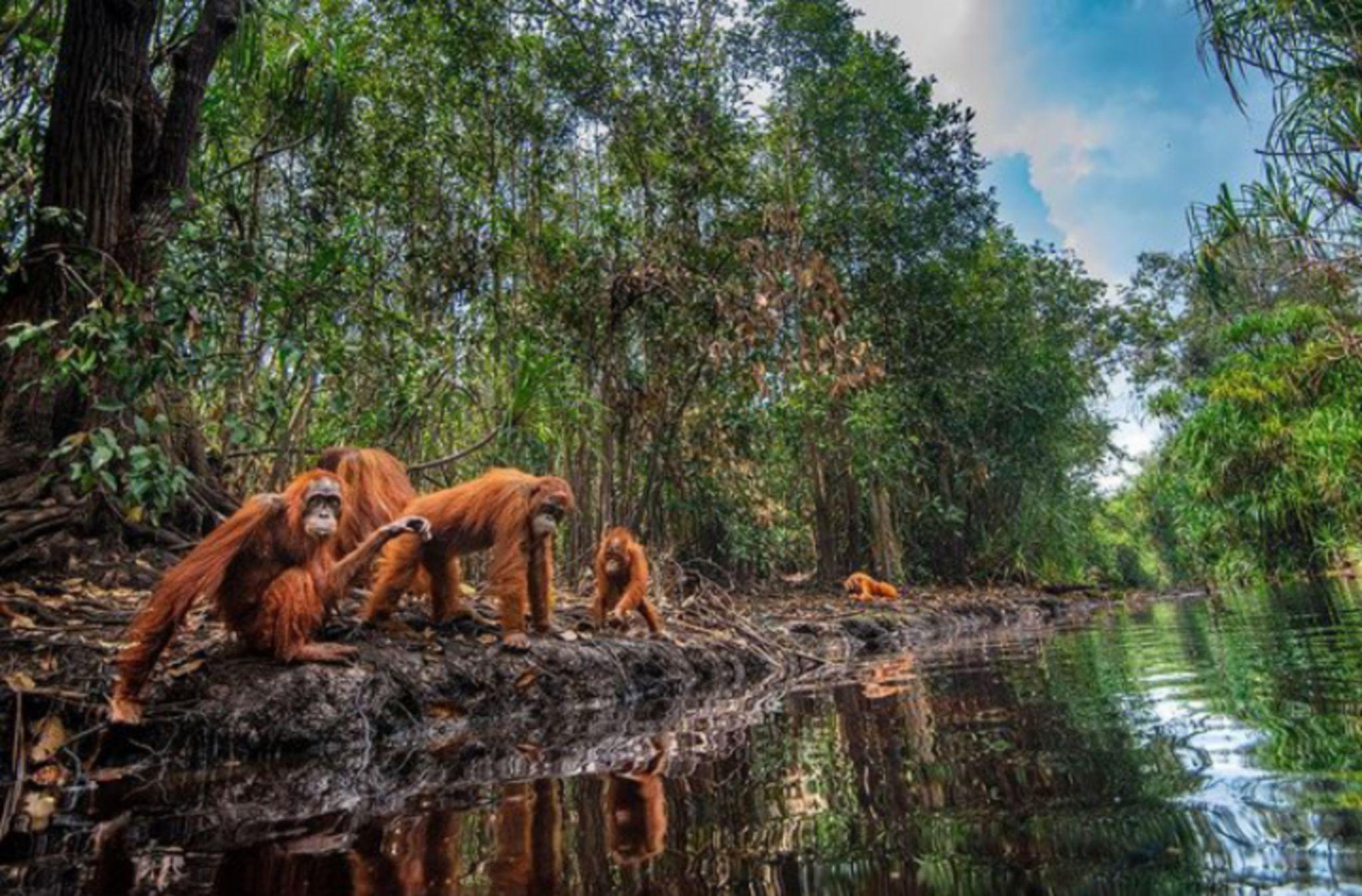
Borneo is known around the world for its ancient rainforests, extraordinary wildlife, and remarkable biodiversity. From the orangutans of Tanjung Puting to the wetlands, rivers, and forests of Kalimantan, these landscapes are home to species found nowhere else on Earth. But in 2026, parts of Borneo
are facing a serious challenge: forest and peatland fires. The dry season has brought difficult conditions across several parts of Kalimantan, with fires affecting forests, peatlands, local communities, and wildlife. The situation has also highlighted how closely the wellbeing of people, forests, and wildlife are connected.
Tanjung Puting Under Pressure
Tanjung Puting National Park in Central Kalimantan is one of Borneo’s most important protected areas and a globally recognized habitat for the Bornean orangutan.
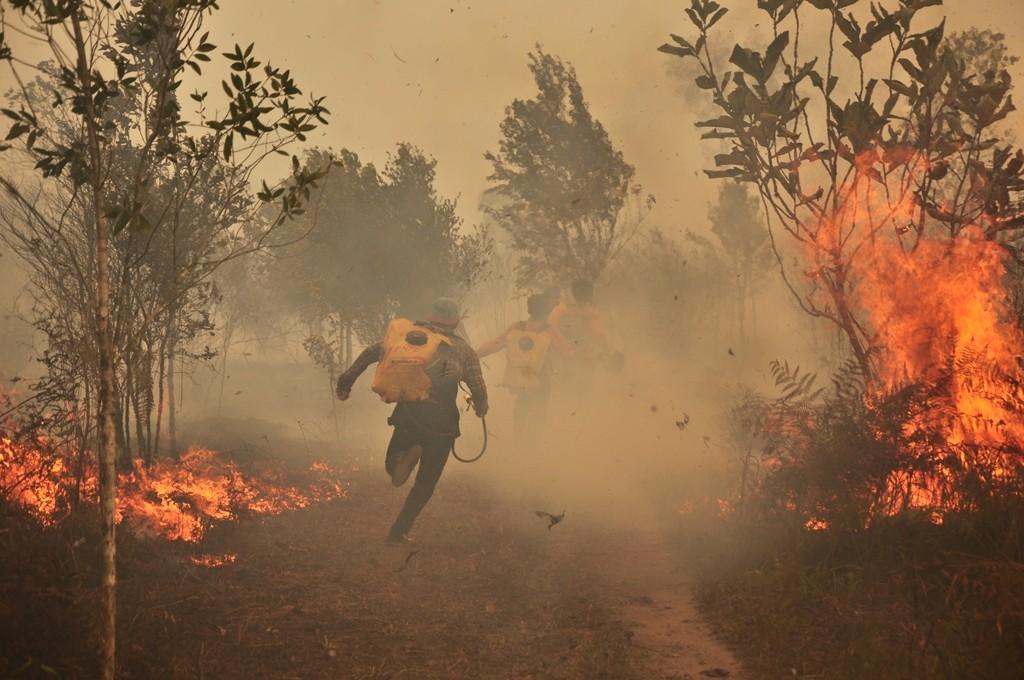
In September 2026, fires spread across several areas of the park. Monitoring reported approximately 4,524 hectares affected by fire by September 17. Some locations were particularly difficult to reach because of the remote terrain and limited access to water.
Firefighting teams, park authorities, local communities, and conservation partners worked together to contain the fires. On September 22, a water-bombing helicopter was deployed to help reach fire locations that were difficult to handle from the ground.
For a landscape famous for its orangutans and river journeys, the fires are a reminder of how fragile tropical ecosystems can be during prolonged dry condition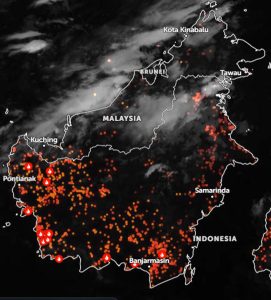
More Than a Forest Fire
In Central Kalimantan, another rescue operation in late September involved a young female orangutan found trapped in a fire-affected area near Palangka Raya. She suffered burns to her hands and feet and required emergency treatment.
These rescues show that conservation is not only about protecting forests on a map. It is also about protecting the individual animals that depend on those forests.
The Importance of Peatlands
One of the challenges in Kalimantan is that fire can continue beneath the surface in peat soils.
Peatlands store large amounts of carbon and can become extremely difficult to extinguish once they dry out. Fires may therefore continue underground even when there are few visible flames, making firefighting more complicated and increasing the risk of smoke.
This is why protecting peatlands before the dry season is so important. Maintaining healthy wetlands, preventing uncontrolled burning, monitoring fire-prone areas, and involving local communities are all part of a broader conservation effort.
Communities on the Front Line
Protecting Borneo’s forests is not the responsibility of conservation organizations and government agencies alone. Local communities are often the first to see the signs of fire and the first to respond when a fire threatens their forests, villages, and livelihoods.
Across Kalimantan, local people contribute through early fire detection, firefighting efforts, forest monitoring, and community-based prevention. Their knowledge of the landscape and close connection with the forest are valuable parts of the wider effort to protect Borneo.
For communities living alongside forests and peatlands, protecting the environment is also about protecting their homes, livelihoods, and future.
This is why conservation works best when local communities are part of the solution. By combining local knowledge, modern firefighting techniques, conservation programs, and responsible land management, communities can play an important role in reducing the impact of forest fires.
Their efforts remind us that protecting Borneo is not only about saving wildlife. It is also about supporting the people who have lived alongside these forests for generations.
What Does This Mean for Travelers?
For travelers planning a journey to Borneo, the fires are an important reminder that responsible tourism matters.
Visiting protected areas with licensed local operators, following park regulations, respecting wildlife, avoiding activities that can create fire risks, and supporting local communities are simple ways travelers can contribute to the long-term protection of Borneo’s natural heritage.
Tourism cannot solve the challenges of forest fires by itself. But responsible tourism can help create economic value around standing forests, wildlife conservation, local knowledge, and community livelihoods.
A forest that remains healthy is not only a habitat for orangutans and other wildlife. It is also part of the identity, culture, and future of the communities that live around it.
Protecting Borneo Together
The fires of 2026 are a reminder that Borneo’s forests cannot be taken for granted.
The rainforest may appear vast and resilient, but ecosystems are interconnected and vulnerable to prolonged drought, fire, habitat loss, and other pressures.
Protecting Borneo requires cooperation between government agencies, conservation organizations, local communities, responsible tourism operators, and travelers.
At Alesa Tours, we believe that experiencing Borneo should go hand in hand with understanding and respecting the places we visit.
Because the greatest journey is not simply about seeing Borneo’s wildlife.
It is about helping ensure that these forests, rivers, and remarkable animals will still be here for generations to come.